
One little bad habit, continued over time.. what happens? Well, sometimes nothing. Although anatomically identical, the genetic presentation of the human body from a musculoskeletal perspective varies greatly from person to person. In short, one persons pain does not manifest the same in everyone. Our muscular system takes on strain, lifestyle stress, and injury differently. Now think about that pain you’ve been feeling underneath your shoulder blade, or in the center of your neck that has been persisting for so long that you have become accustomed to living with it. Stop playing the avoidance game, this is your body trying to alert you that you are doing something incorrectly. Moreover, this is your body telling you that something is being severely overused, and NO cracking and manac stretching won’t work this time. What you need to do is stop, think back to when this started, and follow these steps to start on a path of natural pain management, and better living.

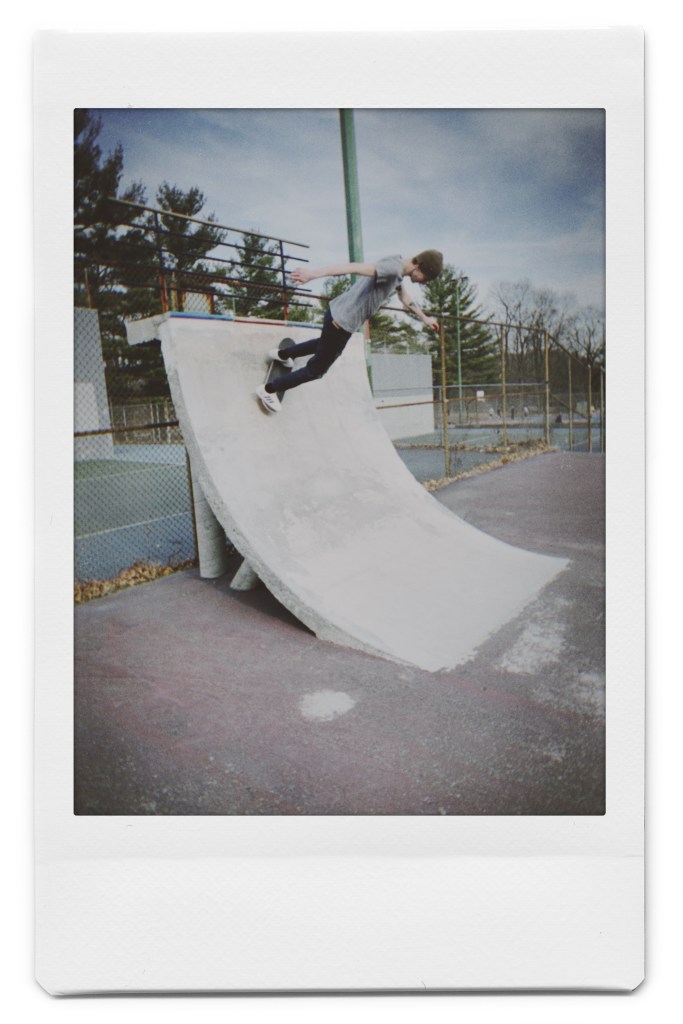
Living in Albany, New York I treat a lot of skateboarders. Albany is a skate city with lots of fun hill bombs that all lead downtown. As a massage therapist that works at the top of the hill, I see clients both for maintenance work, and in rehabilitation settings. Whether high speed down hill endeavors, an auto collision, or a clumsy fall, what do these results all have in common? Potentially, whiplash. Whiplash is defined as an injury at the neck during high speed when the body stops motion from an impact, but the neck continues movement from momentum. The result is typically inflamed, hyper-shortened, muscles that feel both sore, and overworked, while on the other hand, frozen and weak. Skateboarders, and those who have suffered a collision often ask how both sensations can be possible at the same time. The answer lies within the healing process thats happening inside the injured muscle tissue. If there are no spinal injuries, treatment comes down to two aspects: 1. How do we reduce inflamation, and get these muscles out of spasm so that they are functioning more normally. 2. Since these muscles are inflamed, how do we strengthen them enough so this person can walk away from this experience feeling hopeful that they are returning to normal? Whiplash can be a frustrating injury to recover from, however the good news is that the bodies inflammation process is actually a positive thing. Although painful, the inflammation cycle is very important as it is an alert from the body that we have endured trauma, and need rest and treatment. Whiplash is an acute injury that requires immediate care, but once treated is often one that improves daily with a typically speedy recovery.

Skaters, and auto collision clients are one side of strain injury. The more dangerous category are those with busy lifestyles, and avoidance patterns that only bring them into my clinic when the pain has become debilitating. The silent assailant is RSI or repetitive strain injury. Now, while I’m certainly not coming for them, hair stylists are objectively the highest cases of repetitive strain injury that I see, and here’s why: Repetitive strain injury in essence is doing the same activity or specific motion every day, multiple times a day until strong muscle groups in charge of that action become fatigued, and other muscles begin intervening to compensate. Add time to this scenario, and suddenly you have muscle groups that were compensating, now becoming strained. Back to our beloved hair stylists, and we see RSI developing from holding sheers out in front of the body, for hours every day. When holding sheers with the arm extended in an isolated position, the only points of movement left are rotation at the shoulder, elbow, wrist, and motion at the thumb to move the sheers. Therefore instead of the Pecs, and other strong shoulder movers doing their job to move the shoulders, weaker muscles like the rotator cuff group become overused, then strained. The rotator cuff (specifically the subscapularis rotator cuff muscle) is one of the most common to be effected by RSI. Subscapularis is that nagging muscle we mentioned before located underneath the shoulder blade or “scapula”. Its often confused with back pain, but because its hidden beneath the scapula, it can be difficult to pinpoint what it is you are feeling, and why its happening. RSI pain is not only indicative of overusing weak muscles in an active setting like hair, but also with sedentary behavior like desk work. For example, sitting at a desk for hours a day, your spinal muscles that allow you to sit up straight become fatigued and eventually the neck and shoulder muscles begin overcompensating, and eventually fall into a pattern of repetitive strain. The worst case scenario? The pain becomes so debilitating, that you start missing work, or can’t perform optimally. With sedentation at an all time high because of worldwide quarantine, now is an appropriate time to offer solutions for RSI, and ways to identify how its effecting your life.

Since RSI is all about inflammation, and overuse, the first thing to do is ask yourself how you may have been abusing your body mechanics. Even simple things like compensating with your shoulders when lifting hand weights, crossing your legs because its uncomfortable to sit normally, or not involving shoulders when performing a kick turn while skating, can lead to repetitive strain. First, identify where your repetitive strain might be originating from, and secondly we have to figure out a way to reintegrate stronger muscles, so the strained muscle (like any other strain can heal). The best therapy to treat a strained muscle is cold therapy, rest, and massage therapy. In the comfort of your own home the best solution is creating better habits with posture, and thoughtful stretching and strenghthening. Less is more, as trying to push a strained muscle too much at once will just irritate the issue. Essentially, we must begin thinking about how our strain injury developed from the very beginning. Where did we begin creating a bad habit with posture or action? If we can identify the starting place, one can identify the path that has lead to present day overuse and pain. What were getting at here is identifying bad habits in our everyday performance, breaking them, and replacing them with new habits. Since I can’t be in person with every person reading this, below is a simple stretching regiment to open the rotator cuff that commonly becomes effected by RSI. I hope this may provide some relief, however there is no replacement for a regiment of massage therapy in your lifestyle as a means of treatment and maintainence for repetitive strain injury and muscular dysfunctuon.
SUBSCAPULARIS OPENING REGIMENT:
- Go into a tabletop position with 4 points of contact. (hands and knees on the floor with the back facing towards the ceiling slightly arched) The 4 contact points should be both hands and both knees firmly on the floor.
- Start with the right side of the body. Pick up one hand point of contact and place your elbow into the floor gently so that the other 3 points of contact are supporting most of the bodies weight.
- Allow more and more weight to ease onto the elbow. The more weight we allow, and more the shoulder should move back and the arm and elbow forward. Ultimately, we want the elbow pointing like an arrow forward in front of us. As the elbow comes forward we should also lean weight from the trunk, and continue to arch the spine.
- At this point you should be feeling a stretch in the back of the arm (a tricep stretch), and beginning underneath the scapula where the subscapularis rotator cuff muscle is located.
- When you start to feel fatigued, or that the stretch is reaching an end feel, come out of the stretch. It is important to not push a stretch too much all at once especially if its possible that the muscle is strained. If anything the purpose of this regiment is to create space in the shoulder, and the shoulder joints to help relieve tension.
- Take a deep breath, and on the exhale take your stretch to its new end feel. (You will notice with repetition, and breathing that your ability to stretch farther will increase.)
- Remember to breath as it a lot of the tension we are holding in our body often occurs because we aren’t allowing breath support. Repeat on the left side.
 reefRX